Essential Factors to Improve the Impact of Telepresence Platforms
Telepresence solutions have emerged as an vital resource for companies, educational institutions, and entities seeking to preserve connectivity and cooperation across boundaries. To ensure these platforms function efficiently, key technological and functional components must be strategically addressed. The foundation of effective remote interaction depends on advanced hardware, such as quality cameras, crisp voice systems, and reliable screens. These tools provide that participants can view and hear each other with precision, which substantially affects engagement and understanding. In addition, the integration of enhanced audio devices and noise-cancellation tools assists eliminate background distractions, enabling interactions and online discussions to proceed efficiently.
Similarly critical is the connectivity infrastructure that underpins telepresence solutions. Reliable networks with reduced latency are necessary for supporting uninterrupted video and sound feeds. Companies must also implement protected connection methods to secure sensitive information during virtual meetings. Network allocation and failover systems also contribute system reliability, preventing interruptions that can impact efficiency. By focusing on consistent and resilient data pathways, telepresence platforms can provide dependable functionality that matches the requirements of both speakers and users.
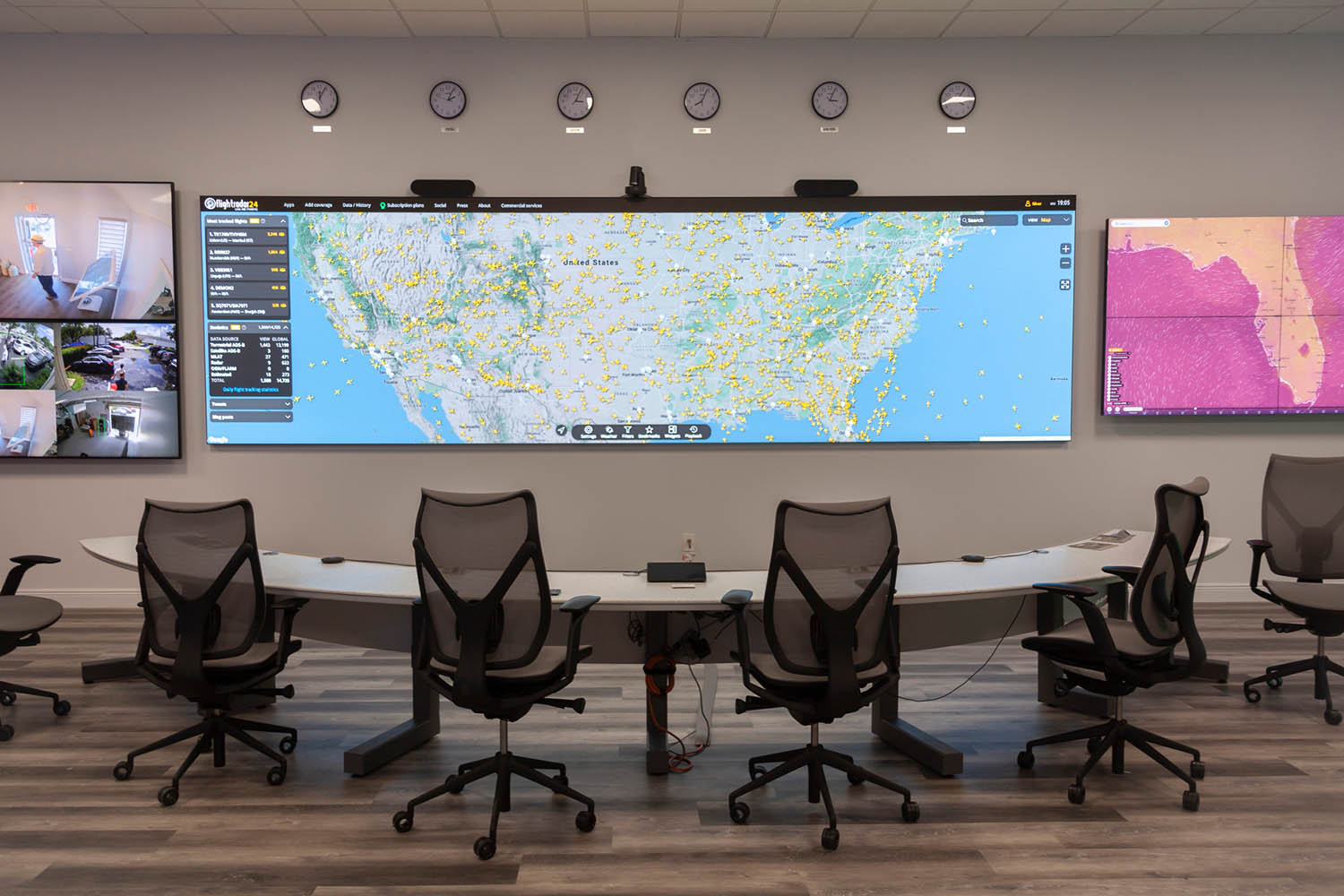
Platform and system capabilities link are critical in enhancing telepresence. Tools such as interactive tools, display sharing, and interactive boards enable participants to engage more efficiently. Intuitive platforms are also essential, helping participants with different skills to engage seamlessly. Compatibility with scheduling tools, workflow applications, and document management tools can enhance online collaboration and avoid the requirement for manual coordination. Overall, these digital features enhance the interaction quality, transforming virtual collaboration more than just a meeting but a fully interactive collaborative environment.
Participant aspects and education are often overlooked but are critical to the effectiveness of telepresence tools. Users must understand guidelines for camera positioning, visibility, and sound setup to optimize viewing quality and audibility. Training sessions can also prepare participants with platform tools, helping them operate digital tools efficiently. Teaching proper etiquette during online interactions, such as muting when not presenting you could try here and maintaining visual attention, supports professionalism and conduct. By integrating hardware and software preparation with user education, companies can maximize the impact of their telepresence systems.
Finally|Ultimately|In conclusion, ongoing assessment and optimization are critical to sustaining virtual interaction performance. Collecting feedback from users, monitoring platform functionality, and keeping current equipment and digital systems maintain that the solution remains high-performing and responsive. Performance metrics can help detect recurring issues, while enhancements in technology can provide new functionalities that enhance remote collaboration. By adopting regular evaluation and optimization, entities can maintain a professional virtual interaction experience, supporting connectivity, teamwork, and efficiency across remote teams.